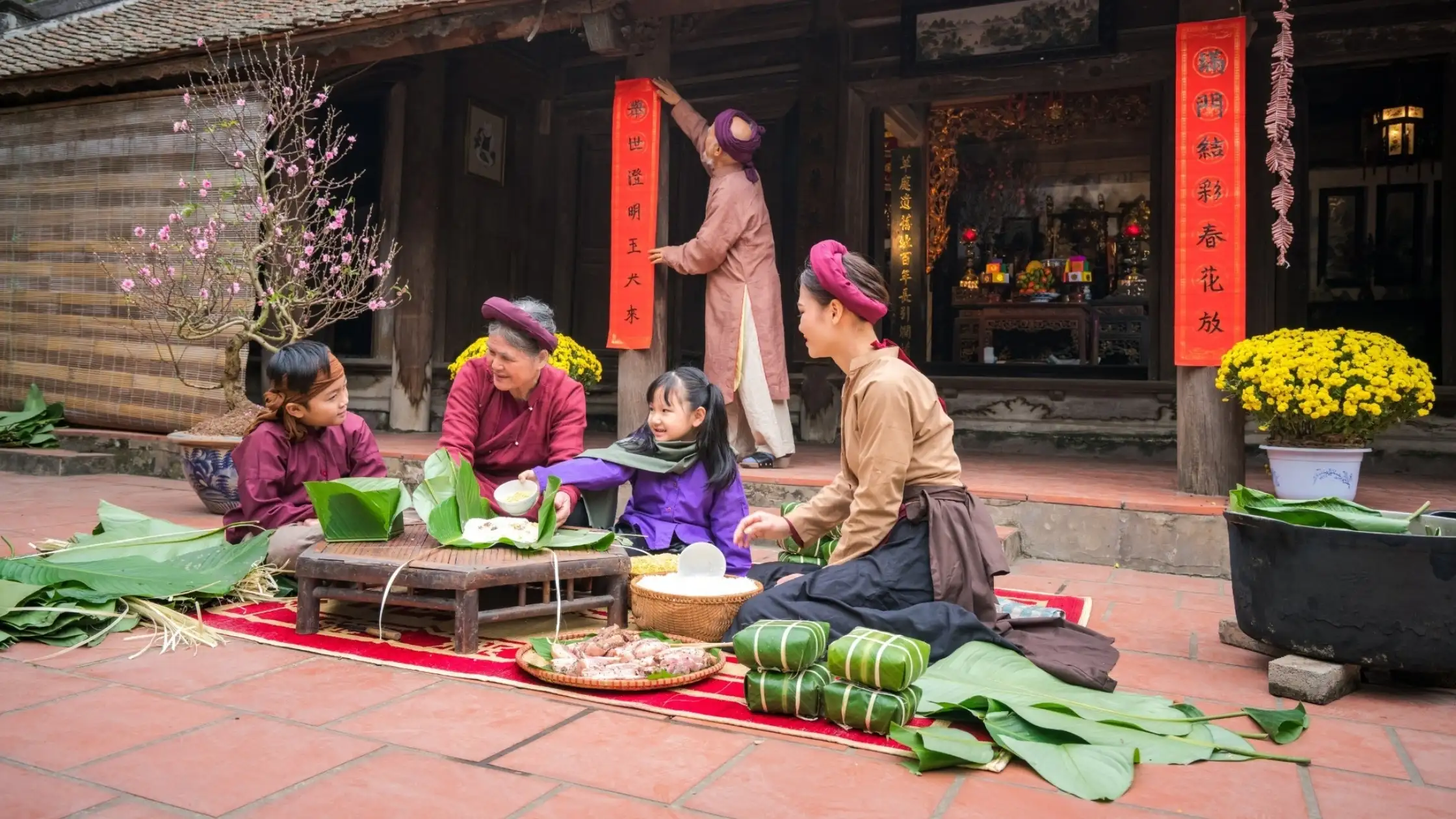
Things worth doing
- Take your shoes off when entering a home, a homestay or a temple — follow what everyone else has done at the door
- Cover shoulders and knees at pagodas and temples, and take your hat off inside
- Pass and receive things with both hands, or with the right hand supported at the elbow by the left
- Ask before photographing anyone, especially elderly people and children, and accept a no
- Learn xin chào and cảm ơn. The effort registers far out of proportion to the words
- Accept tea when it is offered. It is how a conversation starts, and refusing ends one
Things worth avoiding
- Do not touch anyone on the head, including children — it is the most respected part of the body
- Do not point your feet at people or at an altar when sitting on the floor
- Do not lose your temper in public. Raised voices cost you the argument and the respect at the same time
- Do not photograph military installations, border posts or the interiors of some museums
- Do not give money or sweets to children selling on trails — it keeps them out of school
- Do not haggle aggressively over small sums in markets. Negotiate, agree, pay, smile
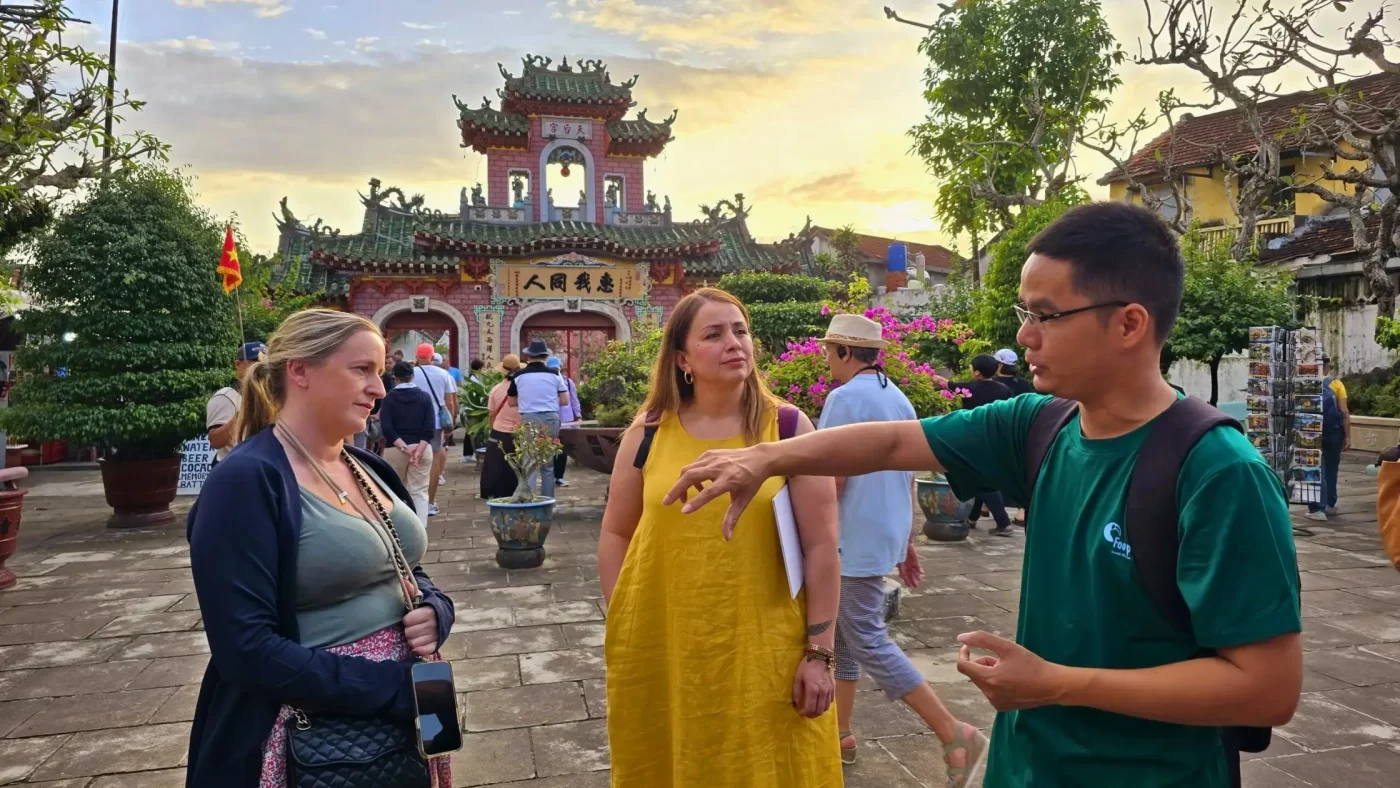
In a homestay
A homestay is someone's house, not a small hotel, and the difference shows in the details.
- Greet the oldest person present first
- Wait to be shown where to sleep and where to wash rather than exploring
- Eat what is served and try everything, even a small amount
- If rice wine appears, one glass is polite and refusing further glasses is entirely acceptable
- Keep noise down after about nine — the household starts early
- A small gift from home for the family is welcome; money is not
Photography and people
The most photographed people in Vietnam are ethnic minority women in the northern highlands, and many are thoroughly tired of it. A camera pointed without asking is a transaction taken without consent.
Ask — a gesture is enough, your guide can interpret — show them the photograph afterwards, and buy something from the person's stall if they have one. The pictures you get this way are also better.
Talking about the war
Vietnamese people generally talk about the American war more openly than visitors expect, and with less bitterness. Two-thirds of the country was born after it ended.
Ask questions if you want to, listen to the answers, and do not assume the version you grew up with is the one being taught here. Our guides will tell you what their families lived through if you ask, and will not perform it if you do not.